


Here is a leadership exercise that takes about thirty seconds.
Think about your direct reports. Pick one word to describe each of them. Do it quickly, because the first word is the honest one.
Now audit the list you just made. Count how many of those words are positive and how many are negative.
Whatever you wrote down, you are already leading those people through those words.
The Word Is Doing More Work Than You Realize
Say you have someone on your team you labeled difficult. Every interaction with that person now runs through the lens of difficult, so you brace before the meeting and prepare for pushback that has not happened yet. The next project goes to somebody else because you assume this one would slow it down, and that part never gets said out loud.
The word arrived long before the conversation did, and it is making decisions on your behalf.
Here is what makes this worth thirty seconds of your attention. You are the one who chose that word. Somebody else on the leadership team might have picked a completely different one for the same person, which tells you the word describes a relationship more than it describes a human being.
What Difficult Usually Means
Go back to the person you labeled difficult and ask a better question about them. Is this person difficult, or does this person want heavy detail before they commit?
Those look identical in a meeting. Someone who needs to understand the full scope of a project asks a lot of questions, pushes on timelines, and wants to know what happens if the third step goes wrong. That reads as resistance when you are trying to move fast. It reads as thoroughness when you have a project where a missed detail costs you thousands of dollars.
The behavior is identical in both readings, and the label you assigned decides which one you see.
And if that person is genuinely built for high-detail work, you have been keeping them off the exact projects where they would be your strongest asset.
A Label Is The Wall in One Word
At Know Honesty we call it The Wall, the divide we create between ourselves and others, rather than being 100% open. The Wall goes up when we disagree, when we feel challenged, or when we have already decided how a conversation is going to go.
A label is the most efficient Wall there is. It does the work in advance. You walk into the room with your understanding of that person already finalized, so nothing they say lands anywhere new. They could show up with a genuinely good idea and you would hear the difficult person being difficult again.
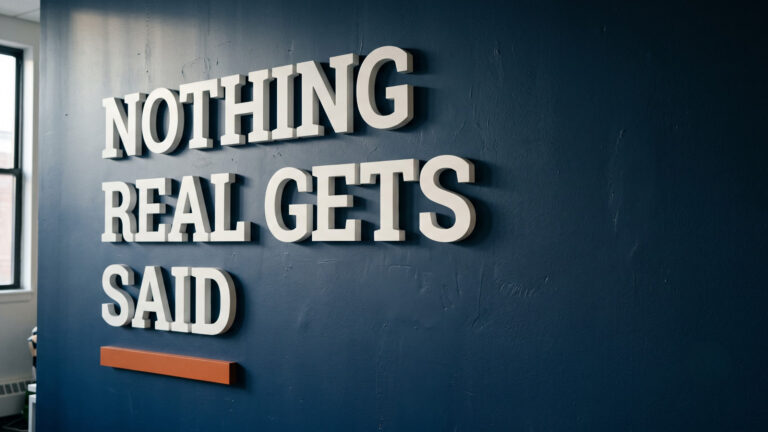
Once it is up, nothing real gets said.
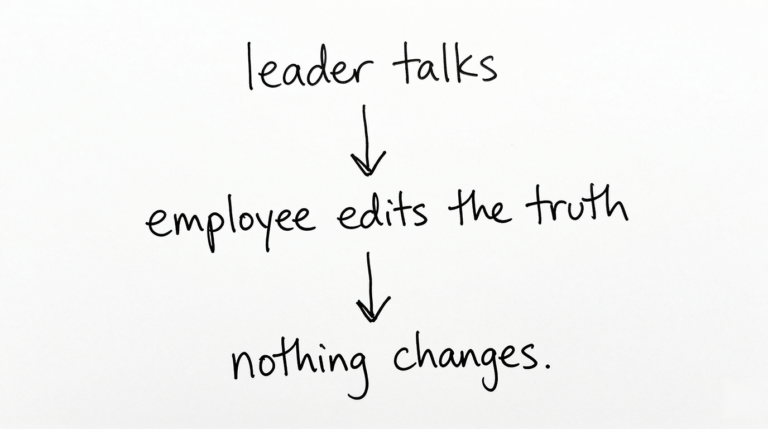
The uncomfortable part is that the person usually knows. People can feel the version of themselves you are managing, and they start performing to it, which hands you more evidence that you were right the entire time.
How to Run the Audit
The exercise works because it is fast and because it is written down, so keep it quick and let the words be ugly.
- List your direct reports and put one word next to each name without editing yourself.
- Mark each word positive or negative and look at the balance across the entire team.
- For every negative word, ask what behavior made you choose it and what else that behavior could mean.
- Ask yourself this question, the one that opens more than any other: what assumptions am I making that might not be true?
That fourth step is where the work happens and requires radical honesty with yourself.
If several of your words came out negative, that is worth sitting with. A team full of difficult people is possible. A leader carrying a set of labels that have gone unexamined for two years is more likely.
What Changes When the Word Changes
You do not have to announce any of this. Nobody needs a meeting about how you have been thinking about them.
Start by changing the opportunities you hand out. The person you called difficult gets the project that rewards how their brain works, and you find out fairly quickly whether the label was ever accurate. Change what you ask them. Get curious before laying out an improvement plan, because you may be solving a problem you invented.
Some of the words will hold up. Behavior that genuinely damages a team is behavior, and it can be changed, but only when you address the behavior itself. Treating it as a fixed quality of the person guarantees it stays exactly where it is. The audit sorts one from the other.
Where to Start
Give the exercise its thirty seconds. Write the words down where you can see them, and be honest about how many of them you would be comfortable saying to the person’s face.
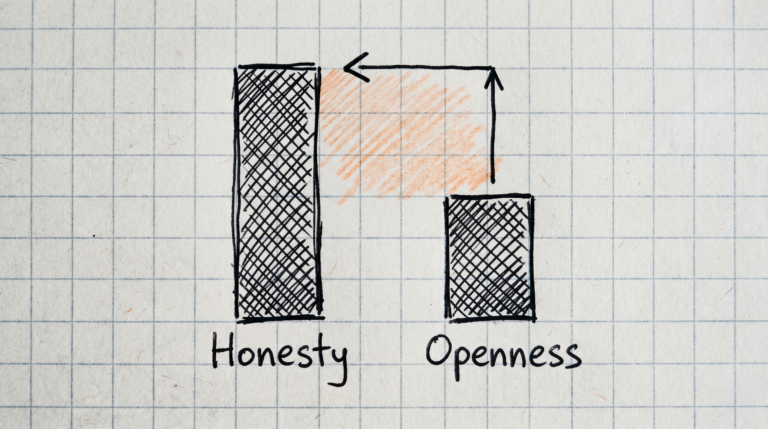
If you want to understand where your own openness sits before you go looking at your team, the Pursuit of Honesty Assessment takes about ten minutes and gives you a separate score for openness and honesty. The distance between those two numbers explains a lot about the labels you have been handing out.