




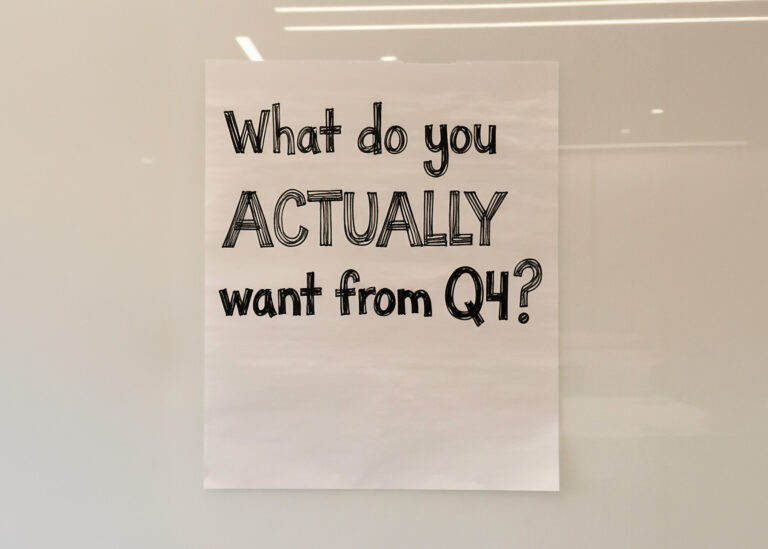

Your team is stuck, problems keep repeating, and your good employees are leaving.
We’ve confused being polite with being productive. We even think avoiding difficult conversations protects people, but in reality, it’s hurting everyone.
Here are five things to stop doing if you want real results:
1. Nodding When You Disagree
When you nod along to avoid conflict, you create bigger problems later. Take Sarah for example, a project manager who sat through a meeting where leadership decided to launch a product in three months. She knew it would take six months minimum, but everyone was nodding along. Three months later, the launch was a mess and the project team got blamed.
What if Sarah had said, “I have concerns about this timeline”? The conversation might have been uncomfortable, but it would also have saved months of stress.
Do this instead: Speak up before the meeting ends. Your insight matters more than keeping things comfortable.
2. Calling Honest People "Difficult"
At one company, they had an engineer named Mike who always asked tough questions. Management rolled their eyes whenever Mike spoke. They called him negative behind his back.
But Mike was right about 80% of his concerns. The problems he predicted actually happened. Meanwhile, Jessica always agreed with everything and got promoted faster. But Jessica’s projects consistently ran over budget because she never challenged unrealistic assumptions.
The reality: The most valuable people often tell you what you don’t want to hear.
3. Hiring for Skills, Hoping for Character
You can teach someone Excel, but you can’t easily teach them to handle feedback or work honestly with others. Companies hire the candidate with perfect technical skills who turns out to be toxic. Like Aaliyah, who could code circles around everyone but threw teammates under the bus whenever something went wrong.
Then they pass on candidates like Tom, who had 70% of the technical skills but showed genuine curiosity and owned his mistakes. Guess which type works out better long-term?
Do this instead: Ask candidates about times they admitted they were wrong. Listen for authenticity.
4. Having the Same Conversation Every Quarter
Every quarterly review: “We really need to improve communication between sales and marketing.” Everyone nods. Someone suggests better processes. Three months later: same conversation.
That’s because they’re treating symptoms, not causes. The real issue might be that sales promises features that don’t exist, or there’s no clear process for customer feedback. But those conversations are harder.
Instead: Ask specific questions like “What information does sales need from marketing, and what’s preventing them from getting it?” Then fix that specific issue.
5. Thinking Nice Equals Helpful
Mateo watched his employee Mark consistently miss deadlines. Instead of addressing it, he quietly fixed his mistakes. He thought he was being supportive.
But Mark never learned to improve. Other team members got frustrated. Eventually, Mateo had to let Mark go, and he was shocked because he thought he was doing fine.
Compare that to Lisa, who sat down with her struggling employee Alex and said, “I’ve noticed some patterns I want to help you address.” The conversation was uncomfortable, but Alex became one of her strongest performers.
The key: Care enough to tell people what they need to hear.
What Changes
When you eliminate these habits, teams solve problems instead of just talking about them. People feel safe being honest about challenges before they become crises. Your best employees stop leaving for “better culture” elsewhere.
Real communication isn’t about being mean. It’s about caring enough to be truthful. When people know they can trust you to tell them the truth, they’ll trust you with bigger challenges and better ideas.
At the end of the day, nice isn’t enough. Your team needs honesty. They need to know problems will be addressed, not avoided. They need confidence that when they speak up, the response will be thoughtful.