




Imagine rehearsing a difficult conversation hundreds of times within the confines of your own mind. You visualize every potential deflection and prepare a response for every predictable excuse. By the time you finally sit down across from the other person, you have a fully formed script ready for delivery. The mental script becomes a liability when the other person speaks unexpectedly. You become disoriented because your internal narrative no longer matches the reality of the situation.
The Impact of Internal Scripting
Preparation serves a vital purpose when it involves grounding yourself in your own truth. You should understand your goals and the specific reasons why the discussion matters. Problems begin when you attempt to write lines for the other person involved. This activity transforms a potential connection into a controlled performance where you inhabit every role. You become the writer and the director of a fictional scene built from not only personal assumptions, but fears. Real people possess their own perspectives and reasons for their actions that rarely align with a pre-written mental script.
The urge to script the other person stems from a deep desire for certainty. Rehearsing their lines feels like a way to manage the anxiety of an unpredictable encounter. You believe that anticipating every objection provides a sense of security against the unknown. This approach creates an internal environment of defensive preparation. You enter the room expecting a battle because you have already fought the other person a thousand times in your head.
Defining Effective Preparation
Effective preparation requires focusing exclusively on what you bring to the table. You are responsible for your own honesty while remaining open to the reality of the other person. Real connection happens when you stay present enough to hear information that exists outside of your predictions. This level of presence requires you to abandon the illusion of control that mental rehearsals provide.
The Know Honesty framework describes The Wall as a psychological barrier that prevents genuine understanding. Scripting the other person builds this barrier before the interaction even begins. You decide their motives and character in advance, which closes your mind to any new discoveries. True openness involves listening with a quiet mind that is free from pre-conceived responses. When you stand behind the wall of your own assumptions, you only see the version of the person that confirms your biases. Removing these mental scripts allows you to see the individual as a partner in solving the problem.
The Four Pillars of Internal Clarity
A powerful way to prepare involves focusing on four specific pillars of your experience. First, identify the observable facts and data surrounding the situation. You should focus on the specific events that occurred while you maintain a purely objective perspective. Second, define the clear impact this situation has on the goals of the organization. This step helps you explain why the behavior matters to the broader success of the team.
Third, understand the fundamental needs that remain unmet in the current dynamic. Clarity about your own requirements ensures that your message remains consistent and firm. Finally, formulate a direct request for the specific change you want to see moving forward. This request gives the other person a clear path toward a successful resolution.
Leading With Presence and Honesty
This method allows you to enter any room with a deep sense of internal clarity. You are ready for any response because you have no rigid expectations to maintain. When the other person shares a surprising perspective, you can integrate that new information immediately. Real communication thrives in the space where your prepared truth meets their lived experience.
Consider the conversation you have been avoiding for several weeks. Your mental rehearsals likely involve deciding exactly how the other person will react. You are currently arguing with a version of them that exists only in your imagination. Choosing to focus solely on your own honesty changes the entire dynamic of the upcoming meeting.
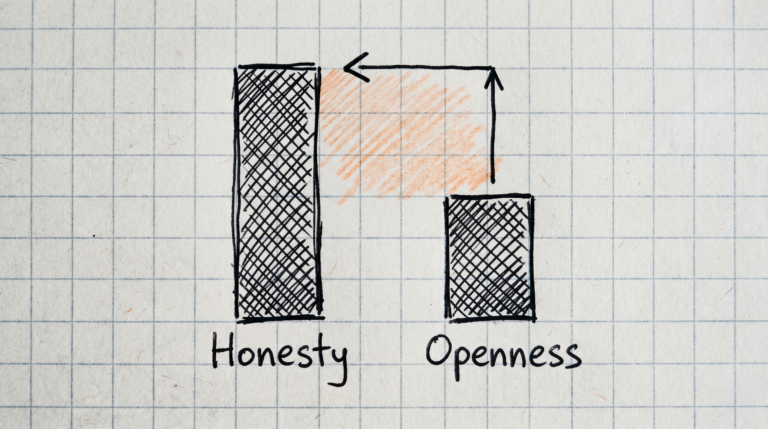
Honesty requires you to know your own mind well enough to speak clearly. Openness requires you to listen to the other person as they appear in the moment. Combining these two elements creates the foundation for a productive and transformative exchange. You can handle the uncertainty of the moment when you are fully present rather than following a script.
The Result of Authentic Dialogue
The sensation of this shift is one of profound relief. You feel the weight of several hundred imaginary arguments lift from your shoulders as you enter the room. This lightness allows you to remain calm and curious even when the conversation enters difficult territory. You possess the mental space required to process new information without feeling attacked or defensive. This presence is the ultimate hallmark of a strong and effective leader.
The real person sitting across from you deserves a conversation rather than a performance. You should prepare your truth and leave the rest of the space for discovery. Real growth happens when you finally commit to participating in the dialogue as it unfolds. Focus on what you need to say and allow the other person the freedom to respond authentically. You should start over by focusing on your own clarity and abandoning the script for good.